The Art of Effective Communication in Everyday Life
Effective communication is a skill that can significantly enhance our personal and professional lives. Whether you are engaging in a casual conversation with a friend, delivering a presentation at work, or negotiating a deal, the ability to convey your thoughts clearly and persuasively is crucial. In this blog post, we will explore the various aspects of effective communication, its importance, and practical tips to improve your skills.
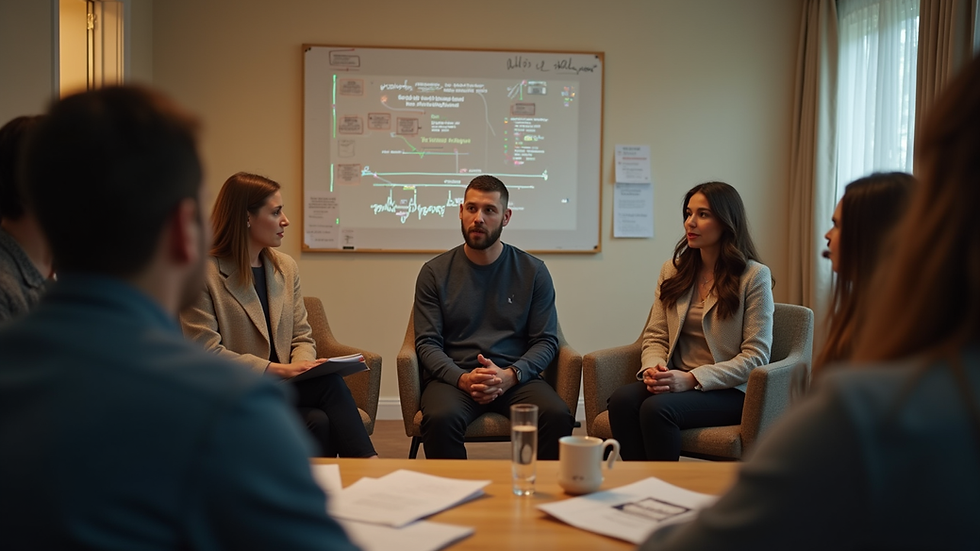
Understanding Effective Communication
Effective communication is more than just exchanging words. It involves understanding the emotions and intentions behind the message. Here are some key components:
Clarity: Ensure your message is clear and straightforward. Avoid jargon and complex language that may confuse the listener.
Active Listening: Pay attention to what others are saying. This not only helps you understand their perspective but also shows respect.
Non-Verbal Cues: Body language, facial expressions, and tone of voice play a significant role in how your message is received. Be mindful of these cues.
Empathy: Try to understand the feelings and viewpoints of others. This fosters a more meaningful connection.
The Importance of Effective Communication
Effective communication can lead to numerous benefits in various aspects of life:
Personal Relationships
In personal relationships, clear communication helps to build trust and understanding. Misunderstandings can lead to conflicts, but when both parties express their thoughts and feelings openly, it strengthens the bond.
Professional Success
In the workplace, effective communication is essential for teamwork and collaboration. It ensures that everyone is on the same page, reducing errors and increasing productivity. Employers value employees who can articulate their ideas and listen to feedback.
Conflict Resolution
When conflicts arise, effective communication can help resolve issues amicably. By expressing concerns calmly and listening to the other party, you can find common ground and work towards a solution.
Practical Tips for Improving Communication Skills
Improving your communication skills takes practice and dedication. Here are some actionable tips to help you get started:
1. Practice Active Listening
Active listening involves fully concentrating on the speaker, understanding their message, responding thoughtfully, and remembering key points. Here’s how to practice:
Maintain Eye Contact: This shows that you are engaged and interested in what the speaker is saying.
Avoid Interrupting: Let the speaker finish their thoughts before responding. This demonstrates respect and allows for a more comprehensive understanding.
Ask Questions: Clarifying questions can help you grasp the message better and show that you are paying attention.
2. Be Clear and Concise
When conveying your message, aim for clarity and brevity. Here are some strategies:
Organize Your Thoughts: Before speaking, take a moment to structure your ideas. This will help you communicate more effectively.
Use Simple Language: Avoid complex vocabulary that may confuse your audience. Instead, opt for straightforward language that everyone can understand.
Stay on Topic: Keep your message focused on the main point. Avoid going off on tangents that may dilute your message.
3. Pay Attention to Non-Verbal Communication
Non-verbal cues can significantly impact how your message is perceived. Here are some tips:
Be Aware of Your Body Language: Open and relaxed body language can make you appear more approachable. Avoid crossing your arms or looking away.
Use Appropriate Facial Expressions: Your facial expressions should match the tone of your message. A smile can convey warmth, while a serious expression may indicate the importance of the topic.
Mind Your Tone of Voice: The way you say something can be just as important as what you say. Ensure your tone matches the message you want to convey.
4. Develop Empathy
Empathy is the ability to understand and share the feelings of others. Here’s how to cultivate it:
Put Yourself in Their Shoes: Try to see the situation from the other person’s perspective. This can help you respond more compassionately.
Acknowledge Their Feelings: Validating someone’s emotions can foster a deeper connection. Phrases like “I understand how you feel” can go a long way.
Be Open-Minded: Approach conversations with an open mind, ready to consider different viewpoints.
5. Seek Feedback
Feedback is a valuable tool for improving your communication skills. Here’s how to effectively seek it:
Ask for Constructive Criticism: After a conversation or presentation, ask trusted friends or colleagues for their honest feedback on your communication style.
Reflect on Your Interactions: Take time to think about your recent conversations. What went well? What could you improve?
Be Receptive to Suggestions: Accept feedback graciously and use it to enhance your skills.
Overcoming Communication Barriers
Despite our best efforts, communication barriers can still arise. Here are some common barriers and how to overcome them:
Language Differences
In a multicultural environment, language differences can pose challenges. To overcome this:
Use Simple Language: Avoid idioms and slang that may not translate well.
Be Patient: Allow extra time for understanding and clarification.
Utilize Visual Aids: Diagrams, charts, and images can help convey your message more effectively.
Emotional Barriers
Emotions can cloud judgment and hinder effective communication. To address this:
Stay Calm: If emotions run high, take a moment to breathe and collect your thoughts before responding.
Acknowledge Emotions: Recognizing your own feelings and those of others can help diffuse tension.
Physical Barriers
Physical distance or distractions can impact communication. To mitigate this:
Choose the Right Environment: Find a quiet, comfortable space for important conversations.
Limit Distractions: Put away phones and other distractions to focus on the conversation.
Conclusion
Effective communication is an essential skill that can enhance your personal and professional relationships. By practicing active listening, being clear and concise, paying attention to non-verbal cues, developing empathy, and seeking feedback, you can significantly improve your communication abilities. Remember, the goal is not just to convey information but to connect with others meaningfully. Start implementing these tips today, and watch how your interactions transform for the better.


Yorumlar